

FAMILYPSYCH
Conflict and divorce.

Destructive interparental conflict is characterised by high levels of anger, escalating hostility, and a proliferation of serious relational problems during interaction. This type of conflict can lead to a range of difficulties for both children and their parents, including emotional and behavioural problems, health issues and physiological reactivity, internalising and externalising symptoms, and negative impacts on academic achievement, social skills, and interpersonal relationships.
The objectives of this research area are:
- To identify the conditions and variables that exacerbate or mitigate the risk associated with conflict;
- To understand the mechanisms involved that influence well-being;
- To develop psychotherapeutic and psychosocial interventions aimed at children and parents that help to reduce or prevent the impact of conflict on children.
Programmes.
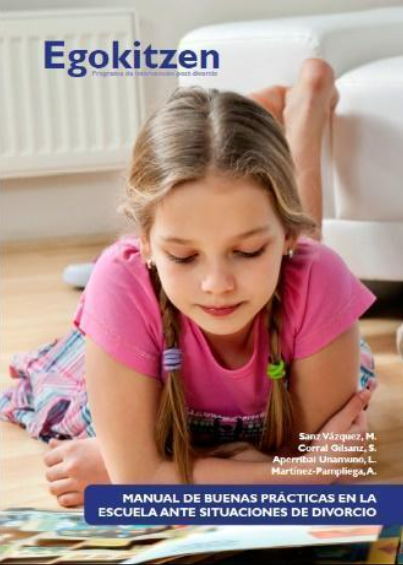
The Deusto FamilyPsych research group at the University of Deusto has developed Egokitzen, a programme designed to support children in adapting to parental separation and divorce. A number of initiatives are delivered under the Egokitzen framework, as described below.
Egokitzen Adults
Your Subtitle Goes Here
Divorce or separation is becoming increasingly common among families in our society. This preventive programme has been developed to help parents acquire the knowledge and skills needed to minimise the impact of divorce and the challenges associated with this process on their children.

Egokitzen: New Couples
Your Subtitle Goes Here
Egokitzen New Partnerships is a programme designed to promote the well-being of children and adolescents in stepfamilies. It provides adults with practical tools to address the specific challenges associated with these family dynamics and to foster more positive and supportive family environments.

Egokitzen: A guide for professionals in judicial contexts
Your Subtitle Goes Here
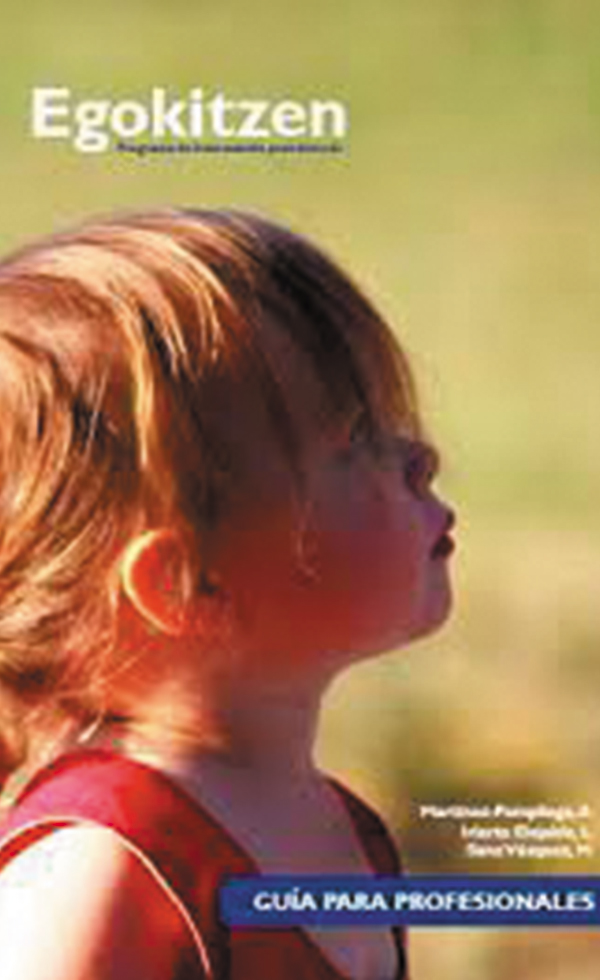
Egokitzen: a guide for professionals in judicial contexts provides psychoeducational guidance for supporting families through separation and divorce processes within the legal system. The guide offers practical tools to help mothers and fathers, reduce family stress, and safeguard the well-being of children.

Egokitzen for Children
Your Subtitle Goes Here
Although divorce has become an increasingly common and accepted process, it can still be highly stressful for everyone involved, particularly for children, who may experience adjustment difficulties at different levels, including physical, psychological and social, both in the short and long term.
Egokitzen: Grandparents
Your Subtitle Goes Here
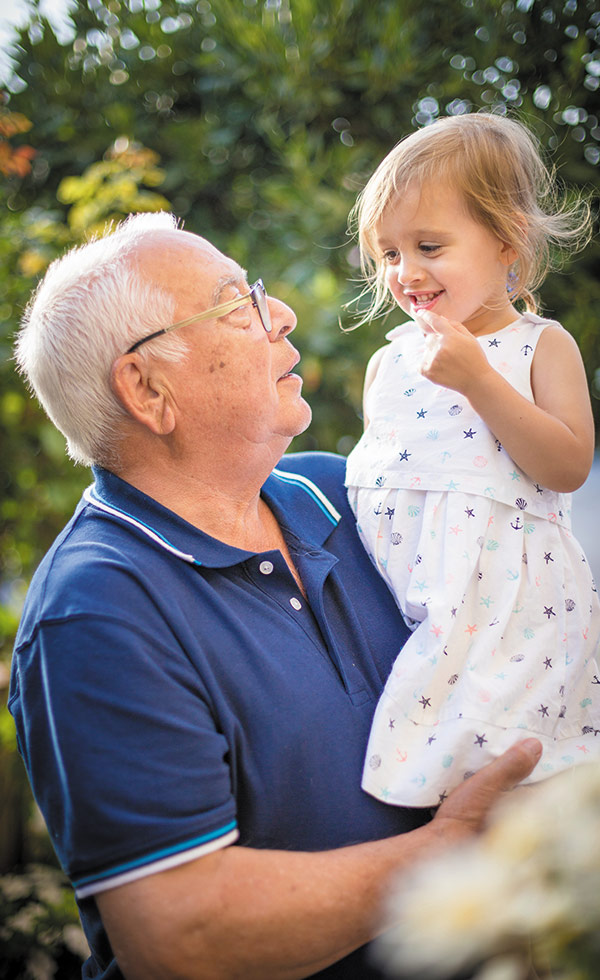
Egokitzen Grandparents focuses on the role of grandparents during family separation and divorce processes. The programme provides guidance to help them adapt to new family dynamics and strengthen their role as sources of support and stability for their children and grandchildren.

Egokitzen: Adolescents
Your Subtitle Goes Here
Egokitzen Adolescents is a programme designed for young people aged 13 to 14 who have experienced parental separation or divorce. Based on the international CODIP programme, it aims to help adolescents cope with family changes and support their emotional, social and academic adjustment.
Current Projects.
2018–2026_EGOKITZEN – Vitoria-Gasteiz City Council
Laura Merino and Ana Martínez Pampliega
This project forms part of the Vitoria-Gasteiz City Council's strategy to promote the well-being of children and adolescents through preventive and protective actions that ensure their needs are met and provide support to families experiencing social difficulties, vulnerability, or situations of mild to moderate risk. Within this framework, the Egokitzen: First Steps programme has been developed to promote positive co-parenting in situations of separation or high-conflict divorce, through an early intervention, family support and evidence-based approach. The programme is implemented in collaboration with the University of Deusto (Deusto FamilyPsych research group), the City Council's Child and Family Service, and IRSE, the organisation responsible for its delivery. Since its launch in 2018, the programme has evolved positively through interventions with parents, children and extended families, as well as community awareness-raising initiatives. Its continuity is supported by ongoing evaluation, technical guidance and continuous programme improvement, consolidating its role as an effective resource for supporting families.

2024–2027_EGOKITZEN – Psychosocial Teams
Susana Corral and Laura Merino
This project is the result of a collaboration between the Provincial Council of Bizkaia, Lagungo (the organisation responsible for delivering the programme), the Psychosocial Teams of the Family Courts, and the University of Deusto (Deusto FamilyPsych). Its aim is to evaluate the effectiveness of psychoeducational interventions for families involved in judicially referred separation and divorce proceedings. These interventions, based on a systemic and preventive approach, seek to reduce the impact of interparental conflict, improve co-parenting relationships, and promote the psychological well-being of children and parents.


2024-2026_EGOKITZEN - APROME
Laura Merino and Ana Martínez Pampliega
This collaborative project between APROME Castilla y León and Deusto FamilyPsych aims to promote professional training and the implementation of post-divorce intervention programmes for grandparents and new partners through the Egokitzen Grandparents and Egokitzen New Partnerships programmes. The initiative also includes an evaluation of the impact of these interventions during the period from the second half of 2025 to the first half of 2026, contributing to family well-being and supporting families' adaptation to divorce and family reconfiguration processes.

Previous projects
2021–2025_Conflictual divorce and emotional socialisation: the impact on children's symptoms through callousness and emotional insecurity
Ana Martínez Pampliega, Laura Merino, Susana Cormenzana, David Herrero, Leire Alcañiz, Irati Alvarez and Inés Pellón.
This project examines the impact of emotional socialisation on children's psychological symptoms in situations of high-conflict divorce. Although emotional socialisation has emerged as a promising variable in recent clinical research, it has not yet been applied to the context of high-conflict divorce, nor has it been examined in relation to process variables such as emotional insecurity and callousness, both of which are also recognised as important factors in the clinical field.
To address the overall objective, the study sets out the following specific objectives:
1) To identify the factors influencing emotional socialisation.
2) To analyse the combined role of callousness and emotional insecurity in children's internalising and externalising symptoms (anxiety, depression, aggression, antisocial behaviour, and destructive conflict with peers).
3) To examine the mediating role of callousness and emotional insecurity.
4) To analyse the economic and legal impact of high-conflict divorce, contributing to knowledge transfer.
The study is being conducted nationwide across a range of Family Contact Centres (FCCs) and is supported by the Spanish Ministry of Science and Innovation.
2021–2024_Divorce, parents' physical and psychological health, and emotional socialisation
Inés Pellón, Susana Cormenzana and Ana Martínez-Pampliega
PhD Thesis (2021–2024). Pellón, I. Parental Distress in High-Conflict Divorces and Its Relationship to Emotion Socialization. Supervisors: Ana Martínez-Pampliega and Susana Cormenzana. Defence date: 21 June 2024. Outstanding (Cum Laude). University of Deusto. International Doctorate Mention.
Divorce is a multi-causal and multifactorial phenomenon whose understanding requires an in-depth examination of a range of contextual factors. Although a substantial body of research has focused on divorce, relatively few studies have examined the health of parents, particularly their physical health, and its indirect effects on children through parenting practices such as emotional socialisation.
Therefore, this research aims to understand parental emotional socialisation in high-conflict divorces, taking into account the role of mediating and moderating factors such as co-parenting, resilience and gender. Although these factors have been studied in the context of divorce, they have never been examined in relation to emotional socialisation. The objectives of this study are:
- To conduct a meta-analysis on divorce and parents' physical health.
- To analyse the relationship between divorce and somatisation.
- To validate an instrument on family resilience, and
- To identify family typologies based on physical and psychological symptoms and co-parenting in high-conflict divorces, and to analyse emotional socialisation while taking levels of resilience into account.
2018–2025_EGOKITZEN – Other organisations
Laura Merino, Susana Cormenzana, Leire Gordo, Leire Iriarte, Susana Corral, Ana Martínez Pampliega
The post-divorce intervention programmes, delivered through the different formats described in the PROGRAMMES section (Parents, Children Aged 8–12, Adolescents, Judicial Contexts, New Partnerships, and Grandparents), have been implemented in a range of centres and institutions across Spain. These interventions form part of studies evaluating the effectiveness of the programmes in community settings, using a quasi-experimental design with control groups and multiple post-intervention assessments. Participating organisations have included local authorities (such as Donostia-San Sebastián City Council), social organisations (including BBK Family, Coordinadoras del Menor, and Aulas Familia Castilla-La Mancha), and Family Contact Centres (such as FEDEPE and APROME, among others).
For more information egokitzen@deusto.es
2022–2023_Evaluation of the Sendiko Programme
Ana Martínez Pampliega and Susana Corral
The psychosocial intervention project developed by Lagungo involves the assessment and individual, group and family-relational treatment of families, as well as support for the professionals involved, including teachers and schools. The aim of the intervention is to help participating families build healthy and satisfying relationships by strengthening family bonds, improving family coexistence, and enhancing parenting competencies.
The aim of the Deusto FamilyPsych team is to evaluate, using a pre-post intervention design and a mixed-methods approach (qualitative and quantitative), the changes experienced by families as a result of the intervention.
Study of the effectiveness and efficiency of an intervention programme for divorced or separated parents and its impact on children's psychological well-being
Ana Martínez-Pampliega, Irati Álvarez, Leire Iriarte, Susana Corral, Susana Cormenzana, Laura Merino, Mireia Sanz, Leire Alcañiz and Iñigo Ochoa de Alda.
The aim of this project is to assess the effectiveness and efficiency of the Egokitzen post-divorce intervention programme. Developed by the Deusto FamilyPsych team, the programme consists of ten sessions addressing issues related to divorce, interparental conflict, and difficulties in parent–child relationships.
The effectiveness and efficiency of the intervention will be evaluated through a quasi-experimental study using a wait-list control group and random assignment to the intervention start sequence. The study is being conducted nationwide, with the participation of more than 13 centres involved in the implementation of the programme.
Study of the effectiveness of a post-divorce intervention programme
Ana Martínez-Pampliega, Leire Iriarte, Mireia Sanz et al.
The aim of the project is to further develop the Egokitzen psychoeducational programme and support its adaptation and dissemination across different regions and within judicial settings.
This is a post-divorce programme designed to improve children's adjustment following parental separation or divorce. The general hypothesis is that children from separated or divorced families who participate in the programme will experience greater parental cooperation and lower levels of conflict. They are also expected to report more positive perceptions of family functioning, including family cohesion, adaptability, communication, resources, and parent–child relationships. Furthermore, these improvements are expected to remain stable over a 48-week follow-up period.
Preliminary findings, based on the participation of five parent groups, support the effectiveness of the intervention programme.
School–family collaboration in situations of divorce
Mireia Sanz, Susana Corral, Leire Aperribai and Ana Martínez-Pampliega
This project aims to explore the difficulties that may arise in relationships between divorced or separated parents and educational professionals. Its purpose is to facilitate these relationships and support the work of teachers and other education professionals in matters related to divorce. The study also seeks to provide practical guidelines for dealing with divorce-related situations. It employs a qualitative methodology, specifically focus groups with divorced or separated parents and education professionals, alongside a review of the relevant literature and regulatory framework.
The relationship between interparental conflict and adolescent adjustment through the construct of Expressed Emotion
Verónica Aguado, Leire Iriarte and Ana Martínez-Pampliega
The aim of this study is to explore parent–child relationships through the construct of Expressed Emotion (EE) and to analyse its implications for adolescent adjustment.
Expressed Emotion (EE) emerged in the 1950s as a construct for measuring the quality of emotional relationships among family members, initially within the context of psychiatric disorders. However, more recent research has linked it to a broader range of psychological difficulties, making it a valuable framework for understanding explanatory mechanisms in contexts of family adversity. Studies conducted to date by the research team suggest that Expressed Emotion (EE) is a useful construct for examining parent–child relationships in situations of interparental conflict. Nevertheless, the limitations of previous studies highlight the need for further research into this construct.
Parenting, emotional regulation and humour as mediating mechanisms between interparental conflict and adolescent adjustment
Susana Cormenzana and Ana Martínez-Pampliega
The aim of this project is to identify the key variables associated with adolescents' cognitive and emotional experiences of interparental conflict, as well as to develop a new explanatory model of these processes. The mediating variables included in the study are emotional regulation, emotional security within the family system, cognitive appraisals of conflict, humour as a protective factor, and parenting practices. Emotional regulation and humour are relatively uncommon variables within this field of research. By incorporating them into the study, we aim to advance understanding of the factors associated with the development of psychological symptoms in adolescents.
As a preliminary step, the project is exploring parenting competencies while taking into account the specific situations and contexts in which they are exercised.
Generalisation of interparental conflict within the family context and its relationship with children's aggressive and antisocial behaviour
Laura Merino and Ana Martínez-Pampliega
This project examines the generalisation of interparental conflict within the family context, specifically its extension to sibling relationships, and explores how this process is associated with children's externalising symptoms, namely aggressive and antisocial behaviour.
The aim of this project is to examine whether conflict between parents, rather than strengthening sibling relationships as a source of mutual support in the face of a stressful situation, leads to higher levels of conflict between siblings. This sibling conflict may, in turn, contribute to increased aggressive and antisocial behaviour among children. In other words, conflict that initially originates in the parental relationship may generalise to sibling relationships and subsequently influence children's behaviour in their immediate social environments.
This relationship is examined through the interparental conflict generalisation hypothesis, drawing on the theoretical frameworks most widely supported in this field: Grych and Fincham's Cognitive-Contextual Model (Grych, 2005), Davies and Cummings' Emotional Security Model (1994), and Bandura's Social Learning Theory.
The role of grandparents in children's symptoms in situations of interparental conflict
Tamara Prieto, Leire Iriarte and Ana Martínez-Pampliega
In general, grandchildren benefit from relationships with their grandparents. However, this is one of the least studied relationships within the family, and there is still limited understanding of the underlying explanatory mechanisms. The objectives of this project are to develop, adapt and validate instruments for assessing intergenerational relationships, and to analyse the mechanisms through which grandparents influence the well-being of their grandchildren in clinical populations. This project is grounded in a systemic perspective.
Intergenerational transmission of couple conflict through emotional security
Leire Iriarte and Ana Martínez-Pampliega
Intergenerational transmission is one dimension of the broader concept of intergenerational relationships. The term intergenerational relationships describes a wide range of interaction patterns between individuals from different generations within a family.
Within the context of family life, intergenerational transmission refers to the transfer, exchange or passing on of resources, behaviours or influences from one generation to another. What is transmitted may be intangible and can include beliefs, norms, values, attitudes and behaviours that are specific to a particular family, or that reflect relevant sociocultural, religious and ethnic practices and beliefs.
In this regard, family functioning and relational patterns can be transmitted across generations. Understanding the mechanisms underlying this phenomenon is essential if we are to prevent or reduce the transmission of maladaptive relational patterns and promote the transmission of healthier ones.
Design and implementation of a web-based platform for the Egokitzen programme for separated and divorced parents
Begoña Dorado, Leire Iriarte and Ana Martínez-Pampliega
The main objective of this study is to take the first step towards enhancing the Egokitzen programme, whose effectiveness has already been evaluated and demonstrated, by designing and implementing a web-based platform to support the intervention and applying it for the first time with a group of divorced or separated parents.
The development of this software is supported by the growing use of Information and Communication Technologies (ICTs) in everyday life and across a range of sectors, including education, healthcare and social services. The digitalisation of information has radically transformed the way health and social care services operate. In addition, these applications offer a significant advantage in their ability to be tailored to users' profiles and to the specific needs of each situation (Botella, 2011).
It can be argued that psychological treatments have made significant advances in recent years, and that Information and Communication Technologies (ICTs) have played a key role in this progress. Their rapid development, together with the growing body of research on their application in psychology, is providing access to an increasing range of tools that can help improve psychological interventions.
Intergenerational transmission of couple conflict through emotional security
Leire Iriarte and Ana Martínez-Pampliega
Related projects.
Family functioning, cultural values and psychological well-being
Ana Martínez-Pampliega, Leire Iriarte, Carles Pérez, Jordi Simon, Elisabeth Alomar and Alejandra Sainz
This study is being conducted in collaboration with Ramon Llull University and the Catholic University of Milan, and aims to deepen understanding of the relationship between family functioning and psychological and social well-being by analysing the mediating role of cultural values.
Any understanding of mental health must take cultural factors into account, as human behaviour may vary according to the prevailing norms and social structures within a given society (Díaz-Guerrero, 2003). Through their experiences, personal histories and the social environments that surround them, individuals gradually develop their own identities. Therefore, in order to understand people, both within the family context and at an individual level, it is essential to understand the culture in which they live.
Work–family balance and children's well-being
Nayeli Rivero and Ana Martínez-Pampliega
One of the areas in which the impact of women's participation in the labour market can be observed is family life, particularly in relation to parenting and family functioning. This has led to growing interest in understanding how members of these new family structures organise their family and work responsibilities, in other words, how they achieve a balance between family and working life. The tension between these two spheres has become increasingly evident: on the one hand, organisations demand greater flexibility, availability and mobility from their employees; on the other, workers seek to preserve their right to family life, to care for their children and to spend meaningful time with them.
The Conversation
We encourage you to discover how siblings cope with arguments between their parents through the new article published by our colleagues Laura Merino and Ana Martínez-Pampliega
Recommended manuals
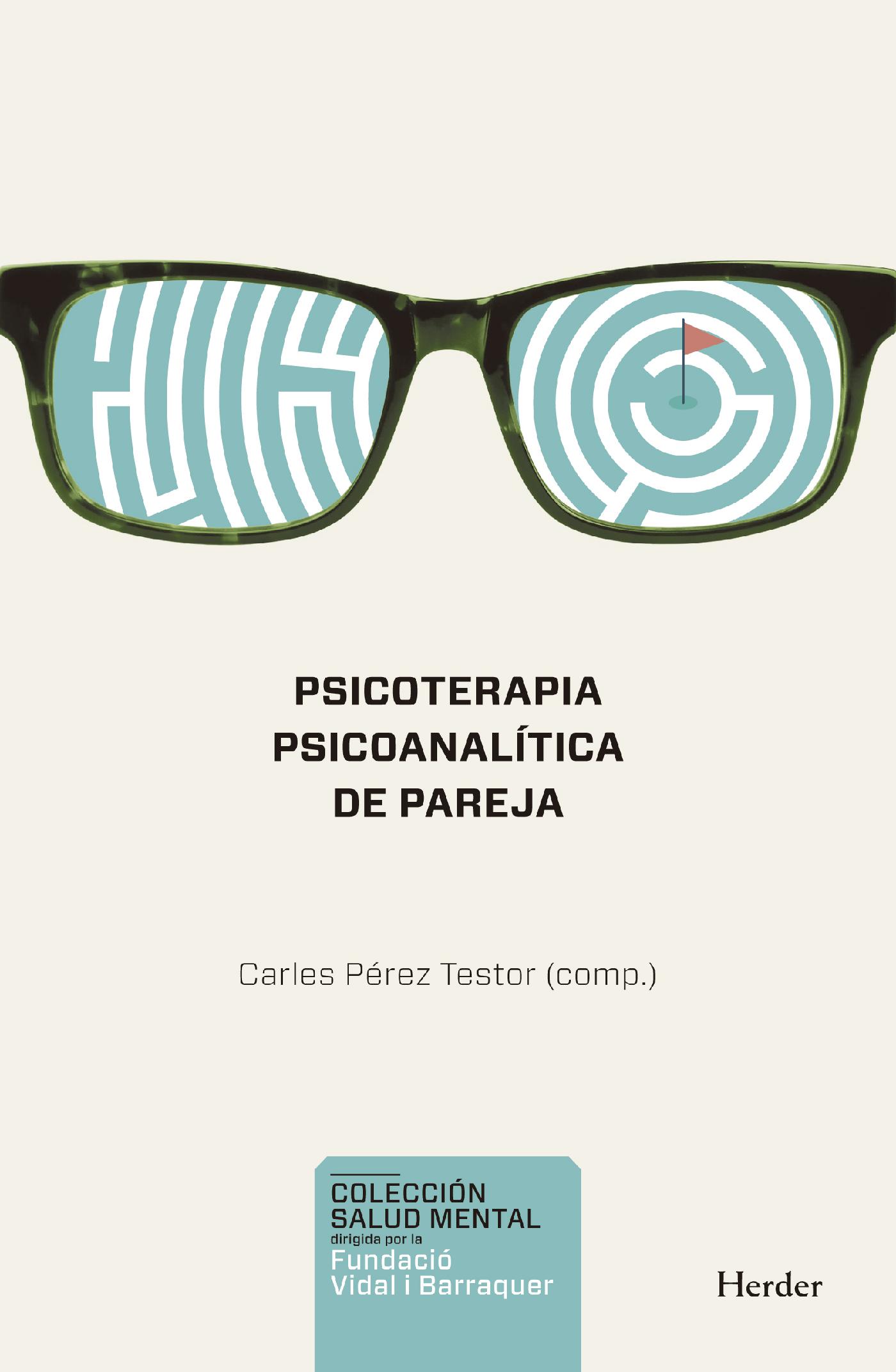
This book is the result of 43 years of work by the Couples and Family Unit at the Vidal i Barraquer Foundation. Psychoanalytic Couples Psychotherapy is a technical application of psychoanalysis that was developed more than 70 years ago and is currently gaining increasing recognition due to the interest shown by a significant number of psychoanalysts and psychotherapists in its development. Professional bodies such as the International Association for Couples and Family Psychoanalysis, the IPA Couples and Families Committee, and the Latin American Psychoanalytic Federation (FEPAL) are playing an increasingly active role in promoting and researching this speciality. Experienced therapists and researchers from the Couples and Family Unit explore the complex motivations behind partner choice, describe the main reasons for seeking therapy, present a new classification of couple psychopathology, and explain, in practical terms, how to diagnose and treat these types of difficulties.