

FAMILYPSYCH
Conflicto interparental e intrafamiliar.

Destructive interparental conflict is characterised by high levels of anger, escalating hostility, and a proliferation of serious relational problems during interaction. This type of conflict can lead to a range of difficulties for both children and their parents, including emotional and behavioural problems, health issues and physiological reactivity, internalising and externalising symptoms, and negative impacts on academic achievement, social skills, and interpersonal relationships.
The objectives of this research area are:
- To identify the conditions and variables that exacerbate or mitigate the risk associated with conflict;
- To understand the mechanisms involved that influence well-being;
- To develop psychotherapeutic and psychosocial interventions aimed at children and parents that help to reduce or prevent the impact of conflict on children.
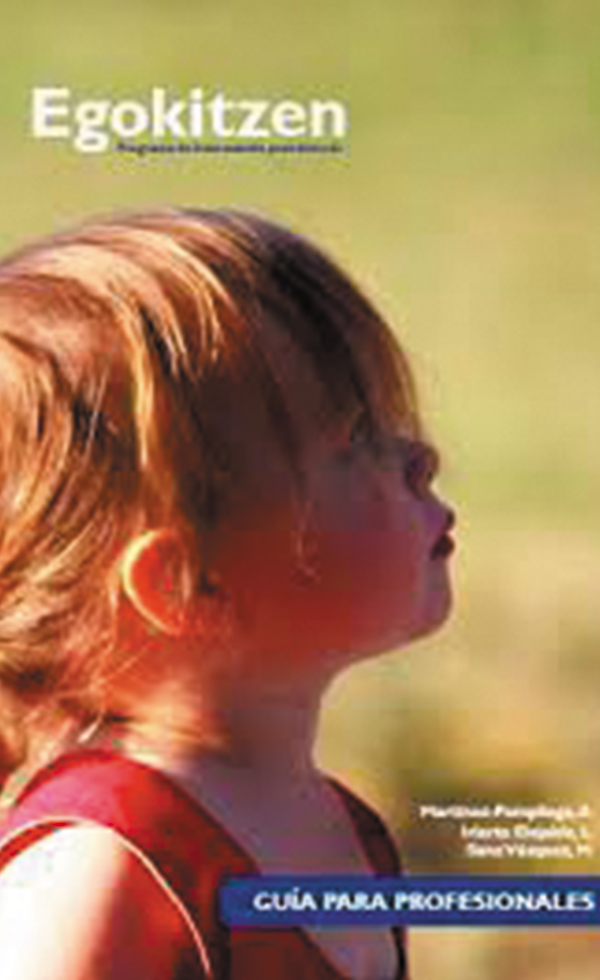
Egokitzen Adults
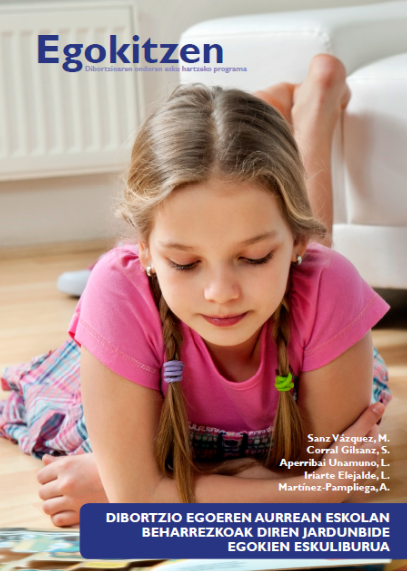
Desde el equipo Deusto FamilyPsych de la Universidad de Deusto se ha desarrollado “Egokitzen”, un programa psicoeducativo para padres y madres en proceso de separación o divorcio. El divorcio o la separación de la pareja es un suceso cada vez más frecuente en las familias de nuestro entorno. La ruptura de la pareja conyugal conlleva cambios importantes para toda la familia. Los padres y madres quieren proteger a sus hijos/as de los efectos negativos que el conflicto pueda tener sobre ellos/as, pero ésta no es siempre una tarea fácil. Por ello, se ha creado este programa de carácter preventivo que intenta ayudarles a desarrollar conocimientos y habilidades apropiadas para minimizar el estrés de los hijos, derivado del divorcio y todo lo que este proceso conlleva. Se constituye como un grupo psicoeducativo, de aprendizaje de habilidades y estrategias concretas. Es una intervención breve que, además de permitirles reflexionar, ofrece pautas concretas de actuación que faciliten la transición hacia un nuevo funcionamiento familiar más satisfactorio para todos/as. En resumen, en el programa se abordan cuestiones sobre el divorcio, sobre el conflicto interparental y sobre las dificultades en las relaciones con los hijos e hijas. El programa consta de doce sesiones más una sesión adicional de inicio y presentación. Las diez primeras sesiones se realizan en diez semanas consecutivas, de hora y media de duración. Se realiza una sesión de seguimiento a los seis meses de finalizado el programa y una segunda sesión de seguimiento al año de finalizado el programa.

Egokitzen for Children
Aunque el divorcio constituya un proceso cada vez más normalizado, puede llegar a ser realmente estresante para todos los miembros implicados, pero principalmente para los hijos e hijas, quienes podrían experimentar dificultades de ajuste a diferentes niveles, físico, psíquico y social, a corto y largo plazo. La observación de peleas entre los padres, las ideas erróneas en torno a una reconciliación, los conflictos de lealtad, la parentalización, la falta de supervisión, la falta de cuidado de sus necesidades y la hostilidad en las relaciones son variables a menudo relacionadas con sus problemas conductuales, dificultades escolares, manifestaciones psicosomáticas, sintomatología internalizante y sintomatología externalizante. El crecimiento del número de divorcios ha propiciado una mayor conciencia social sobre los efectos que la ruptura parental tiene en todos los miembros de la familia, sobre todo en los hijos e hijas, y el desarrollo y bienestar de éstos. Es por ello, que desde el equipo Deusto Family Psych de la Universidad de Deusto hemos adaptado un programa de intervención dirigido a hijos/as de padres separados o divorciados con el objetivo de ayudar y acompañar a menores en la gestión de sus procesos emocionales y cognitivos derivados de la situación de divorcio o separación de sus padres para poder afrontar la nueva situación de una manera adecuada. Aunque el divorcio es un suceso difícil y estresante para los hijos/as, los problemas a largo plazo son evitables, especialmente si se favorecen espacios para identificar, aceptar y manejar las emociones y pensamientos que suelen tener los/as hijos/as tras la separación y el divorcio.

Egokitzen: A guide for professionals in judicial contexts
Entre los desafíos más comunes que experimentan las familias en la sociedad actual se encuentran la separación y el divorcio. Cuando se produce, los adultos tienden a sentir una mayor necesidad de conocimiento sobre el proceso, demandan más apoyo y orientación para hacer frente a los cambios (Whitworth, Capshew, & Abell, 2002).Egokitzen: Guía para profesionales en contexto judicial ha sido desarrollado desde el equipo de Investigación Deusto FamilyPsych, en base a una amplia revisión de la literatura científica en torno al divorcio y su impacto en padres, madres e hijos/as, y una revisión específica centrada en los programas de intervención que han sido desarrollados durante las últimas décadas con el fin de acompañar, asesorar o intervenir en procesos de separación y divorcio. La presente guía supone la presentación de unas pautas de trabajo con madres y padres separados y/o divorciados en contexto jurídico. La orientación es psico-educativa y tiene como objetivo transmitir información sobre aspectos legales, orientar sobre los cambios que están viviendo y acontecerán a la familia, favorecer el desarrollo de habilidades y estrategias necesarias para reducir el nivel de estrés y proteger a los hijos e hijas de los efectos nocivos del conflicto interparental. Nuestro mensaje es positivo para las madres y padres porque, aunque el divorcio es un suceso difícil y estresante para los hijo/as, los problemas a largo plazo son evitables.

Egokitzen: New Couples
Desde el paradigma del bienestar de la familia, el presente manual se posiciona en una perspectiva positiva sobre las familias reconstituidas, considerando que se trata de una modalidad cada vez más frecuente, en todos los grupos socioculturales y en cualquier edad, y que presenta necesidades similares a la mayoría de las familias. Además, se sitúa el foco de atención en el bienestar del hijo/a y en su “interés superior” y se considera que la función de los adultos implicados, sean o no los progenitores de un menor, será el salvaguardar su bienestar. Este es precisamente el objetivo del presente programa de intervención: ayudar a los adultos a proteger a los/as menores y a aumentar su bienestar en el contexto de una familia reconstituida. Y ello sin olvidar que las familias reconstituidas cuentan con una estructura más compleja y tienen algunas necesidades particulares, por lo que pueden experimentar dificultades que es conveniente prevenir y abordar si fuera el caso. Este programa ha sido desarrollado en colaboración con el Servicio de Infancia y Familia del Ayuntamiento de Vitoria.
Egokitzen: Grandparents
El divorcio de los progenitores es un acontecimiento perturbador a nivel emocional para todos los implicados en la familia, incluidos los abuelos/as.
El divorcio tendrá en los abuelos/as un impacto emocional muy elevado, pudiendo acompañarse de síntomas depresivos o psicosomáticos y un deterioro de su calidad de vida. Por un lado, les preocupa el bienestar de sus hijos/as; por otro, les preocupa cómo esta nueva situación puede afectar a la relación con sus nietos/as.
Además, la vida de los abuelos/as también puede verse afectada si a raíz de la separación surgen “peticiones de dinero, vuelta a casa, otras cuestiones de orden doméstico…etc.”. En este sentido, para muchos abuelos/as el divorcio o separación de sus hijos/as será una oportunidad para asumir nuevos roles vinculados con la asistencia material, el cuidado de los niños/as, los consejos y el apoyo. No obstante, no se puede olvidar que, en ocasiones, la implicación de los abuelos/as puede ser una fuente de conflictos, dependiendo del tipo de vínculo entre los abuelos/as y los nietos/as previo al divorcio, lo que supondrá un motivo de angustia añadido.
Como se puede deducir, es posible que la implicación de los abuelos/as en la vida de los hijos/as se complique cuando surja un divorcio, teniendo dificultades para encontrar su espacio y funciones dentro de la nueva estructura familiar. Adaptarse a esta nueva dinámica familiar supondrá un reto y su papel podrá ser crucial para sus hijos/as y nietos/as. Los abuelos/as pueden ofrecer no solo su amor, sino “un oasis de estabilidad” cuando todo lo demás en la vida familiar de su hijo/a o nieto/a está cambiando.

Egokitzen: Adolescents
El presente manual describe el programa de intervención EGOKITZEN-CODIP, dirigido a adolescentes entre 13 y 14 años de familias divorciadas. El nombre Egokitzen-CODIP, pretende también ser fiel a su origen. Supone la adaptación del programa CODIP, un programa que fue desarrollado por Joanne Pedro-Carrol “Children of Divorce Intervention Program – CODIP” con el fin de ayudar a los/as adolescentes que han pasado por el proceso de divorcio o separación parental. El CODIP está en marcha desde 1982 y las investigaciones demostraron que beneficiaba a los niños y niñas en su adaptación al hogar y a la escuela. Fruto de los resultados exitosos de la intervención inicial, el programa se en Estados Unidos y Canadá, inicialmente, y posteriormente a todo el mundo (Alemania, Australia, Sudáfrica), al mismo tiempo que se fueron desarrollando versiones adaptadas a diferentes edades.
En la línea de intervención Egokitzen, se parte de la consideración del divorcio como un suceso difícil y estresante para los hijos e hijas, pero con un impacto a largo plazo evitable. Con este fin, se favorece un espacio para identificar, aceptar y manejar emociones y pensamientos que pueden experimentar todos los implicados. La revisión teórica dirigida a los profesionales, junto a la versión dirigida a los progenitores ha sido recientemente publicada por la editorial Pirámide (Martínez-Pampliega et al, 2021). En particular, es necesario que todo profesional que vaya a poner en marcha cualquiera de los programas de intervención Egokitzen (incluido Egokitzen-CODIP 13-14) revise la “Guía para profesionales” donde se recoge la base teórica desde donde se sustenta la intervención.
Egokitzen: Parejas
El divorcio de los progenitores es un suceso difícil de gestionar para todos los implicados en la familia. Este malestar tiende a acentuarse en los menores cuando su padre/madre inicia una nueva relación después del divorcio.
Desde el paradigma del bienestar de la familia, es necesario posicionarse desde una perspectiva positiva sobre las familias reconstituidas, considerando que se trata de una modalidad cada vez más frecuente, en todos los grupos socioculturales y en cualquier edad, y que presenta necesidades similares a la mayoría de las familias. Se entiende que un funcionamiento familiar adecuado depende de que se hayan cuidado los diferentes momentos, permitiendo en los hijos/as el duelo por la separación de sus padres/madres y nos forzando los tiempos que cada paso requiere. Además, se sitúa el foco de atención en el bienestar del hijo/a y en su “interés superior” y se considera que la función de los adultos implicados, sean o no los progenitores de un menor, será el salvaguardar su bienestar.
El objetivo de las intervenciones con familias reconstituidas es el de ayudar a los adultos a proteger a los/as menores y a aumentar su bienestar en el contexto de una familia reconstituida. Y ello sin olvidar que las familias reconstituidas cuentan con una estructura más compleja y tienen algunas necesidades particulares, por lo que pueden experimentar dificultades que es conveniente prevenir y abordar si fuera el caso.
Current Projects.
Divorcio conflictivo y socialización emocional: impacto en la sintomatología de los niños/as a través de la insensibilidad y la inseguridad emocional
Ana Martínez Pampliega, Laura Merino, Susana Cormenzana, David Herrero, Leire Alcañiz, Irati Alvarez and Inés Pellón.
This project examines the impact of emotional socialisation on children's psychological symptoms in situations of high-conflict divorce. Although emotional socialisation has emerged as a promising variable in recent clinical research, it has not yet been applied to the context of high-conflict divorce, nor has it been examined in relation to process variables such as emotional insecurity and callousness, both of which are also recognised as important factors in the clinical field.
To address the overall objective, the study sets out the following specific objectives:
1) To identify the factors influencing emotional socialisation.
2) To analyse the combined role of callousness and emotional insecurity in children's internalising and externalising symptoms (anxiety, depression, aggression, antisocial behaviour, and destructive conflict with peers).
3) To examine the mediating role of callousness and emotional insecurity.
4) To analyse the economic and legal impact of high-conflict divorce, contributing to knowledge transfer.
El estudio se desarrolla a nivel nacional en diferentes Puntos de Encuentro Familiar (PEFs).
EGOKITZEN - AYUNTAMIENTO DE Vitoria | AYUNTAMIENTO DE Donosti | BBK_Family en Bizkaia | FEDEPE_ Federación Nacional de los Puntos de Encuentro | AULAS FAMILIA_Castilla La Mancha
Laura Merino, Susana Cormenzana, Ana Martínez Pampliega
Los programas de intervención postdivorcio, en las diferentes modalidades presentadas en el apartado PROGRAMAS (Progenitores, Niños y niñas de 8-12 años, Adolescentes, Contexto judicial, Nuevas parejas y Abuelos/as) están actualmente en funcionamiento en diferentes centros e instituciones a nivel nacional. Las intervenciones forman parte de estudios de efectividad del programa en contexto comunitario, siguiendo un diseño cuasiexperimental con grupo control y diversas mediciones postintervención. Para más información egokitzen@deusto.es
DIVORCIO, SALUD FÍSICA Y PSICOLÓGICA DE LOS PROGENITORES Y SOCIALIZACIÓN EMOCIONAL
Inés Pellón, Susana Cormenzana and Ana Martínez-Pampliega
Divorce is a multi-causal and multifactorial phenomenon whose understanding requires an in-depth examination of a range of contextual factors. Although a substantial body of research has focused on divorce, relatively few studies have examined the health of parents, particularly their physical health, and its indirect effects on children through parenting practices such as emotional socialisation.
Therefore, this research aims to understand parental emotional socialisation in high-conflict divorces, taking into account the role of mediating and moderating factors such as co-parenting, resilience and gender. Although these factors have been studied in the context of divorce, they have never been examined in relation to emotional socialisation. The objectives of this study are:
- To conduct a meta-analysis on divorce and parents' physical health.
- To analyse the relationship between divorce and somatisation.
- To validate an instrument on family resilience, and
- To identify family typologies based on physical and psychological symptoms and co-parenting in high-conflict divorces, and to analyse emotional socialisation while taking levels of resilience into account.
2022–2023_Evaluation of the Sendiko Programme
Ana Martínez Pampliega and Susana Corral
The psychosocial intervention project developed by Lagungo involves the assessment and individual, group and family-relational treatment of families, as well as support for the professionals involved, including teachers and schools. The aim of the intervention is to help participating families build healthy and satisfying relationships by strengthening family bonds, improving family coexistence, and enhancing parenting competencies.
The aim of the Deusto FamilyPsych team is to evaluate, using a pre-post intervention design and a mixed-methods approach (qualitative and quantitative), the changes experienced by families as a result of the intervention.
Other projects.
Study of the effectiveness and efficiency of an intervention programme for divorced or separated parents and its impact on children's psychological well-being
Ana Martínez-Pampliega, Irati Álvarez, Leire Iriarte, Susana Corral, Susana Cormenzana, Laura Merino, Mireia Sanz, Leire Alcañiz and Iñigo Ochoa de Alda.
The aim of this project is to assess the effectiveness and efficiency of the Egokitzen post-divorce intervention programme. Developed by the Deusto FamilyPsych team, the programme consists of ten sessions addressing issues related to divorce, interparental conflict, and difficulties in parent–child relationships.
The effectiveness and efficiency of the intervention will be evaluated through a quasi-experimental study using a wait-list control group and random assignment to the intervention start sequence. The study is being conducted nationwide, with the participation of more than 13 centres involved in the implementation of the programme.
Study of the effectiveness of a post-divorce intervention programme
Ana Martínez-Pampliega, Leire Iriarte, Mireia Sanz et al.
The aim of the project is to further develop the Egokitzen psychoeducational programme and support its adaptation and dissemination across different regions and within judicial settings.
This is a post-divorce programme designed to improve children's adjustment following parental separation or divorce. The general hypothesis is that children from separated or divorced families who participate in the programme will experience greater parental cooperation and lower levels of conflict. They are also expected to report more positive perceptions of family functioning, including family cohesion, adaptability, communication, resources, and parent–child relationships. Furthermore, these improvements are expected to remain stable over a 48-week follow-up period.
Preliminary findings, based on the participation of five parent groups, support the effectiveness of the intervention programme.
School–family collaboration in situations of divorce
Mireia Sanz, Susana Corral, Leire Aperribai and Ana Martínez-Pampliega
This project aims to explore the difficulties that may arise in relationships between divorced or separated parents and educational professionals. Its purpose is to facilitate these relationships and support the work of teachers and other education professionals in matters related to divorce. The study also seeks to provide practical guidelines for dealing with divorce-related situations. It employs a qualitative methodology, specifically focus groups with divorced or separated parents and education professionals, alongside a review of the relevant literature and regulatory framework.
The relationship between interparental conflict and adolescent adjustment through the construct of Expressed Emotion
Verónica Aguado, Leire Iriarte and Ana Martínez-Pampliega
The aim of this study is to explore parent–child relationships through the construct of Expressed Emotion (EE) and to analyse its implications for adolescent adjustment.
Expressed Emotion (EE) emerged in the 1950s as a construct for measuring the quality of emotional relationships among family members, initially within the context of psychiatric disorders. However, more recent research has linked it to a broader range of psychological difficulties, making it a valuable framework for understanding explanatory mechanisms in contexts of family adversity. Studies conducted to date by the research team suggest that Expressed Emotion (EE) is a useful construct for examining parent–child relationships in situations of interparental conflict. Nevertheless, the limitations of previous studies highlight the need for further research into this construct.
Parenting, emotional regulation and humour as mediating mechanisms between interparental conflict and adolescent adjustment
Susana Cormenzana and Ana Martínez-Pampliega
The aim of this project is to identify the key variables associated with adolescents' cognitive and emotional experiences of interparental conflict, as well as to develop a new explanatory model of these processes. The mediating variables included in the study are emotional regulation, emotional security within the family system, cognitive appraisals of conflict, humour as a protective factor, and parenting practices. Emotional regulation and humour are relatively uncommon variables within this field of research. By incorporating them into the study, we aim to advance understanding of the factors associated with the development of psychological symptoms in adolescents.
As a preliminary step, the project is exploring parenting competencies while taking into account the specific situations and contexts in which they are exercised.
Generalisation of interparental conflict within the family context and its relationship with children's aggressive and antisocial behaviour
Laura Merino and Ana Martínez-Pampliega
This project examines the generalisation of interparental conflict within the family context, specifically its extension to sibling relationships, and explores how this process is associated with children's externalising symptoms, namely aggressive and antisocial behaviour.
The aim of this project is to examine whether conflict between parents, rather than strengthening sibling relationships as a source of mutual support in the face of a stressful situation, leads to higher levels of conflict between siblings. This sibling conflict may, in turn, contribute to increased aggressive and antisocial behaviour among children. In other words, conflict that initially originates in the parental relationship may generalise to sibling relationships and subsequently influence children's behaviour in their immediate social environments.
This relationship is examined through the interparental conflict generalisation hypothesis, drawing on the theoretical frameworks most widely supported in this field: Grych and Fincham's Cognitive-Contextual Model (Grych, 2005), Davies and Cummings' Emotional Security Model (1994), and Bandura's Social Learning Theory.
The role of grandparents in children's symptoms in situations of interparental conflict
Tamara Prieto, Leire Iriarte and Ana Martínez-Pampliega
In general, grandchildren benefit from relationships with their grandparents. However, this is one of the least studied relationships within the family, and there is still limited understanding of the underlying explanatory mechanisms. The objectives of this project are to develop, adapt and validate instruments for assessing intergenerational relationships, and to analyse the mechanisms through which grandparents influence the well-being of their grandchildren in clinical populations. This project is grounded in a systemic perspective.
Intergenerational transmission of couple conflict through emotional security
Leire Iriarte and Ana Martínez-Pampliega
Intergenerational transmission is one dimension of the broader concept of intergenerational relationships. The term intergenerational relationships describes a wide range of interaction patterns between individuals from different generations within a family.
Within the context of family life, intergenerational transmission refers to the transfer, exchange or passing on of resources, behaviours or influences from one generation to another. What is transmitted may be intangible and can include beliefs, norms, values, attitudes and behaviours that are specific to a particular family, or that reflect relevant sociocultural, religious and ethnic practices and beliefs.
In this regard, family functioning and relational patterns can be transmitted across generations. Understanding the mechanisms underlying this phenomenon is essential if we are to prevent or reduce the transmission of maladaptive relational patterns and promote the transmission of healthier ones.
Design and implementation of a web-based platform for the Egokitzen programme for separated and divorced parents
Begoña Dorado, Leire Iriarte and Ana Martínez-Pampliega
The main objective of this study is to take the first step towards enhancing the Egokitzen programme, whose effectiveness has already been evaluated and demonstrated, by designing and implementing a web-based platform to support the intervention and applying it for the first time with a group of divorced or separated parents.
The development of this software is supported by the growing use of Information and Communication Technologies (ICTs) in everyday life and across a range of sectors, including education, healthcare and social services. The digitalisation of information has radically transformed the way health and social care services operate. In addition, these applications offer a significant advantage in their ability to be tailored to users' profiles and to the specific needs of each situation (Botella, 2011).
It can be argued that psychological treatments have made significant advances in recent years, and that Information and Communication Technologies (ICTs) have played a key role in this progress. Their rapid development, together with the growing body of research on their application in psychology, is providing access to an increasing range of tools that can help improve psychological interventions.
Intergenerational transmission of couple conflict through emotional security
Leire Iriarte and Ana Martínez-Pampliega
Related projects.
Family functioning, cultural values and psychological well-being
Ana Martínez-Pampliega, Leire Iriarte, Carles Pérez, Jordi Simon, Elisabeth Alomar and Alejandra Sainz
This study is being conducted in collaboration with Ramon Llull University and the Catholic University of Milan, and aims to deepen understanding of the relationship between family functioning and psychological and social well-being by analysing the mediating role of cultural values.
Any understanding of mental health must take cultural factors into account, as human behaviour may vary according to the prevailing norms and social structures within a given society (Díaz-Guerrero, 2003). Through their experiences, personal histories and the social environments that surround them, individuals gradually develop their own identities. Therefore, in order to understand people, both within the family context and at an individual level, it is essential to understand the culture in which they live.
Work–family balance and children's well-being
Nayeli Rivero and Ana Martínez-Pampliega
One of the areas in which the impact of women's participation in the labour market can be observed is family life, particularly in relation to parenting and family functioning. This has led to growing interest in understanding how members of these new family structures organise their family and work responsibilities, in other words, how they achieve a balance between family and working life. The tension between these two spheres has become increasingly evident: on the one hand, organisations demand greater flexibility, availability and mobility from their employees; on the other, workers seek to preserve their right to family life, to care for their children and to spend meaningful time with them.
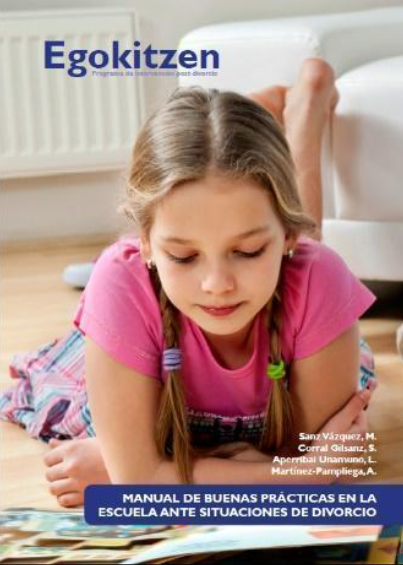
The Conversation
We encourage you to discover how siblings cope with arguments between their parents through the new article published by our colleagues Laura Merino and Ana Martínez-Pampliega
Recommended manuals
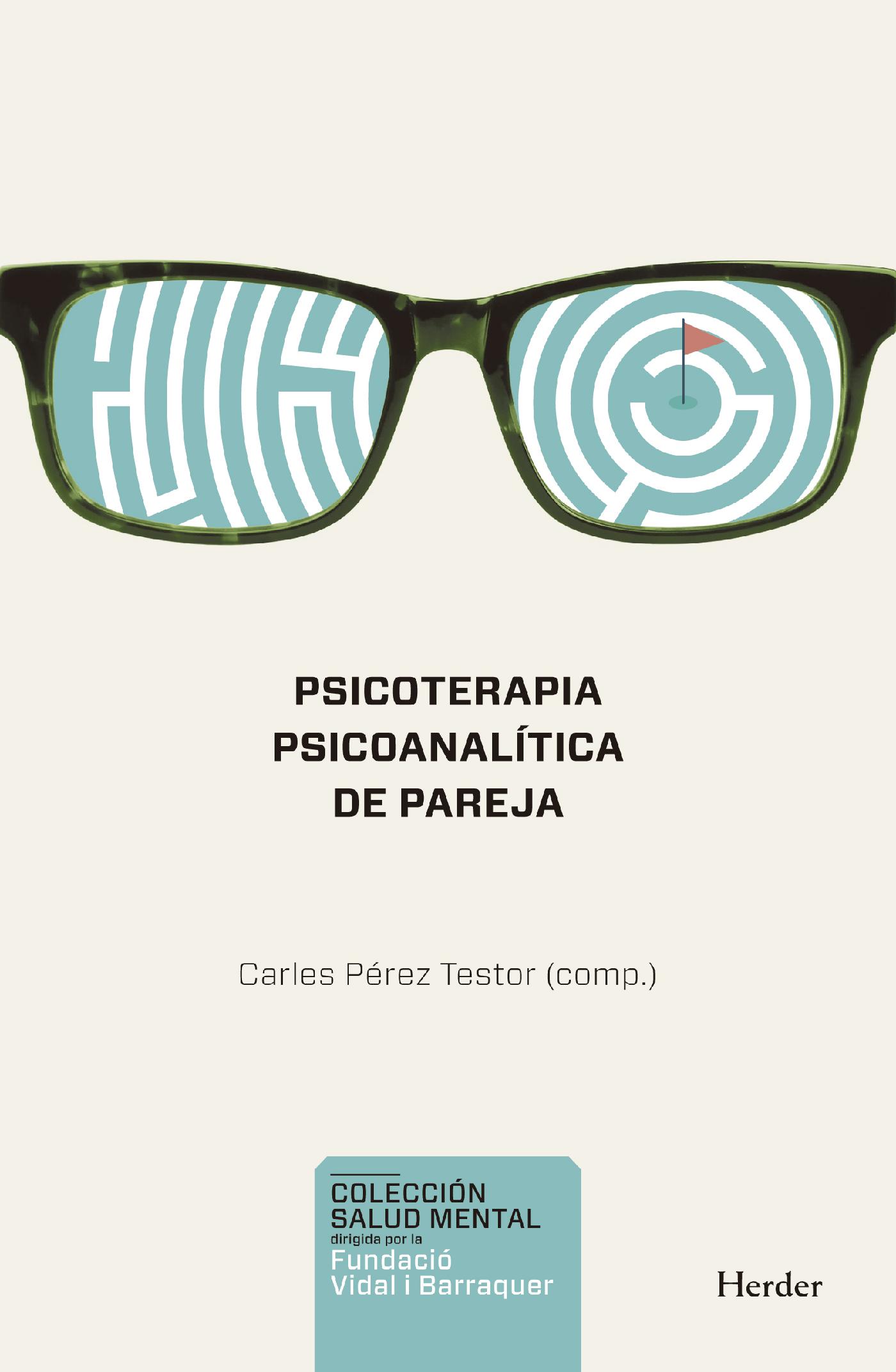
This book is the result of 43 years of work by the Couples and Family Unit at the Vidal i Barraquer Foundation. Psychoanalytic Couples Psychotherapy is a technical application of psychoanalysis that was developed more than 70 years ago and is currently gaining increasing recognition due to the interest shown by a significant number of psychoanalysts and psychotherapists in its development. Professional bodies such as the International Association for Couples and Family Psychoanalysis, the IPA Couples and Families Committee, and the Latin American Psychoanalytic Federation (FEPAL) are playing an increasingly active role in promoting and researching this speciality. Experienced therapists and researchers from the Couples and Family Unit explore the complex motivations behind partner choice, describe the main reasons for seeking therapy, present a new classification of couple psychopathology, and explain, in practical terms, how to diagnose and treat these types of difficulties.